

 https://bio4energy.se/wp-content/uploads/2026/02/Bild-till-animering.png
1024
1536
Irina Iakovleva
https://bio4energy.se/wp-content/uploads/2022/08/Logo_stor_farg-300x74.png
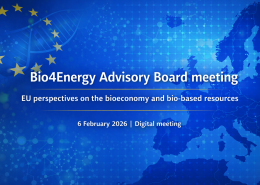
Irina Iakovleva2026-02-23 11:38:522026-02-23 11:38:53Bio4Energy Advisory Board meeting – EU perspectives on the bioeconomy and bio-based resources
https://bio4energy.se/wp-content/uploads/2026/02/Bild-till-animering.png
1024
1536
Irina Iakovleva
https://bio4energy.se/wp-content/uploads/2022/08/Logo_stor_farg-300x74.png
Irina Iakovleva2026-02-23 11:38:522026-02-23 11:38:53Bio4Energy Advisory Board meeting – EU perspectives on the bioeconomy and bio-based resources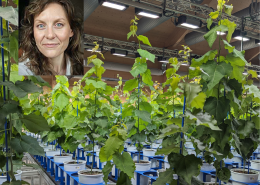 https://bio4energy.se/wp-content/uploads/2025/12/Anna-Renstrom-2-3.png
620
779
Irina Iakovleva
https://bio4energy.se/wp-content/uploads/2022/08/Logo_stor_farg-300x74.png
Irina Iakovleva2025-12-10 15:16:102025-12-11 10:32:05The Hidden Conversation Between Trees and Nitrogen
https://bio4energy.se/wp-content/uploads/2025/12/Anna-Renstrom-2-3.png
620
779
Irina Iakovleva
https://bio4energy.se/wp-content/uploads/2022/08/Logo_stor_farg-300x74.png
Irina Iakovleva2025-12-10 15:16:102025-12-11 10:32:05The Hidden Conversation Between Trees and Nitrogen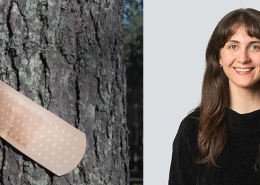 https://bio4energy.se/wp-content/uploads/2025/11/Pic-1-1.png
349
855
Irina Iakovleva
https://bio4energy.se/wp-content/uploads/2022/08/Logo_stor_farg-300x74.png
Irina Iakovleva2025-11-15 19:09:132025-11-15 20:11:37From Wood to Wonder – Turning wood into advanced materials
https://bio4energy.se/wp-content/uploads/2025/11/Pic-1-1.png
349
855
Irina Iakovleva
https://bio4energy.se/wp-content/uploads/2022/08/Logo_stor_farg-300x74.png
Irina Iakovleva2025-11-15 19:09:132025-11-15 20:11:37From Wood to Wonder – Turning wood into advanced materials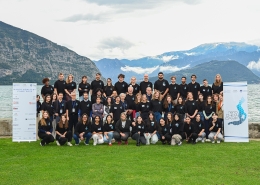 https://bio4energy.se/wp-content/uploads/2025/10/DSC_2499-1_res.jpg
1333
2000
Irina Iakovleva
https://bio4energy.se/wp-content/uploads/2022/08/Logo_stor_farg-300x74.png
Irina Iakovleva2025-10-23 11:51:052025-10-23 11:51:06A Week to Remember at the Nanochemistry Camp in Italy
https://bio4energy.se/wp-content/uploads/2025/10/DSC_2499-1_res.jpg
1333
2000
Irina Iakovleva
https://bio4energy.se/wp-content/uploads/2022/08/Logo_stor_farg-300x74.png
Irina Iakovleva2025-10-23 11:51:052025-10-23 11:51:06A Week to Remember at the Nanochemistry Camp in Italy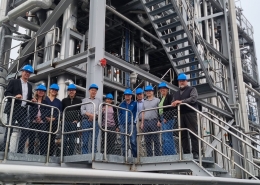 Irina Iakovleva
https://bio4energy.se/wp-content/uploads/2025/10/20250909_101945-scaled.jpg
1153
2560
Irina Iakovleva
https://bio4energy.se/wp-content/uploads/2022/08/Logo_stor_farg-300x74.png
Irina Iakovleva2025-10-20 11:09:512025-11-06 20:47:32Bio4Energy Advisory Board Meeting in Piteå
Irina Iakovleva
https://bio4energy.se/wp-content/uploads/2025/10/20250909_101945-scaled.jpg
1153
2560
Irina Iakovleva
https://bio4energy.se/wp-content/uploads/2022/08/Logo_stor_farg-300x74.png
Irina Iakovleva2025-10-20 11:09:512025-11-06 20:47:32Bio4Energy Advisory Board Meeting in Piteå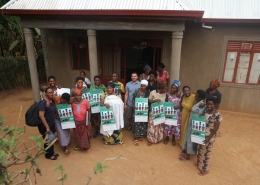 https://bio4energy.se/wp-content/uploads/2025/09/SAM_7072.jpg
1408
2112
Irina Iakovleva
https://bio4energy.se/wp-content/uploads/2022/08/Logo_stor_farg-300x74.png
Irina Iakovleva2025-09-05 12:48:262025-09-10 10:02:26Cleaner cooking and sustainable bioenergy systems can strengthen energy security and improve health in sub-Saharan Africa
https://bio4energy.se/wp-content/uploads/2025/09/SAM_7072.jpg
1408
2112
Irina Iakovleva
https://bio4energy.se/wp-content/uploads/2022/08/Logo_stor_farg-300x74.png
Irina Iakovleva2025-09-05 12:48:262025-09-10 10:02:26Cleaner cooking and sustainable bioenergy systems can strengthen energy security and improve health in sub-Saharan Africa https://bio4energy.se/wp-content/uploads/2025/06/IMG-20250619-WA0001-1.jpg
2048
1540
Irina Iakovleva
https://bio4energy.se/wp-content/uploads/2022/08/Logo_stor_farg-300x74.png
Irina Iakovleva2025-06-19 13:11:222025-06-19 13:11:222024 Bio4Energy Annual Report Is Out
https://bio4energy.se/wp-content/uploads/2025/06/IMG-20250619-WA0001-1.jpg
2048
1540
Irina Iakovleva
https://bio4energy.se/wp-content/uploads/2022/08/Logo_stor_farg-300x74.png
Irina Iakovleva2025-06-19 13:11:222025-06-19 13:11:222024 Bio4Energy Annual Report Is Out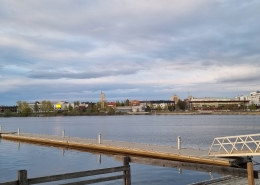 https://bio4energy.se/wp-content/uploads/2025/06/Lulea_hotel-Sense-scaled.jpg
1153
2560
Irina Iakovleva
https://bio4energy.se/wp-content/uploads/2022/08/Logo_stor_farg-300x74.png
Irina Iakovleva2025-06-10 12:19:322025-06-10 12:19:32Bio4Energy Gathers in Luleå to Strengthen Collaboration and Share Research Progress
https://bio4energy.se/wp-content/uploads/2025/06/Lulea_hotel-Sense-scaled.jpg
1153
2560
Irina Iakovleva
https://bio4energy.se/wp-content/uploads/2022/08/Logo_stor_farg-300x74.png
Irina Iakovleva2025-06-10 12:19:322025-06-10 12:19:32Bio4Energy Gathers in Luleå to Strengthen Collaboration and Share Research Progress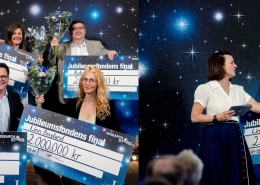 https://bio4energy.se/wp-content/uploads/2025/06/Linn2.jpg
833
2112
Irina Iakovleva
https://bio4energy.se/wp-content/uploads/2022/08/Logo_stor_farg-300x74.png
Irina Iakovleva2025-06-09 09:18:432025-06-09 09:18:43Transforming Forest Residues into the Future: Bio4Energy Researcher Awarded Prestigious Grant
https://bio4energy.se/wp-content/uploads/2025/06/Linn2.jpg
833
2112
Irina Iakovleva
https://bio4energy.se/wp-content/uploads/2022/08/Logo_stor_farg-300x74.png
Irina Iakovleva2025-06-09 09:18:432025-06-09 09:18:43Transforming Forest Residues into the Future: Bio4Energy Researcher Awarded Prestigious GrantUPCOMING EVENTS
Registration open: Biorefinery Pilot Research (5 ECTS)
2026-09-07Bio4Energy’s flagship training course, delivered in collaboration with industrial partners along the northern Swedish east coast, focuses on biorefinery production and the innovative use of biomass. Registration for the 2026 course is now open. Course schedule Registration
12th Workshop on Cellulose
2026-11-10The Cellulose Workshop 2026 is now open for abstract submissions. The workshop focuses on cellulose and related materials, with participation from both academia and industry. This year’s keynote speakers are: Abstract submission deadline: 31 May 2026. More information is available on the workshop website: Cellulose Workshop

IO ANTONOPOULOU, Bio4Energy Biopolymers and Biochemical Conversion
Biochemical Process Engineering
Luleå University of Technology
“Bio4Energy has allowed me to develop new research lines within the field of energy and CO2 sequestration. In the Bio4Energy research environment, I had the opportunity to meet with excellent researchers for building new collaborations”.